|
|
about me...
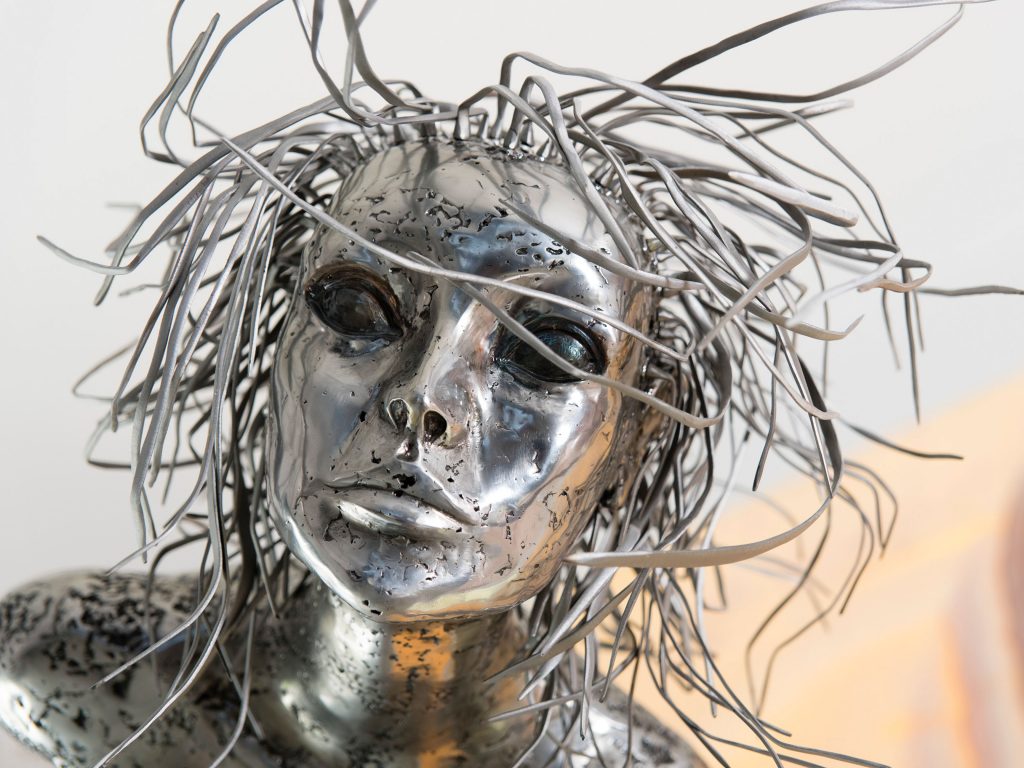
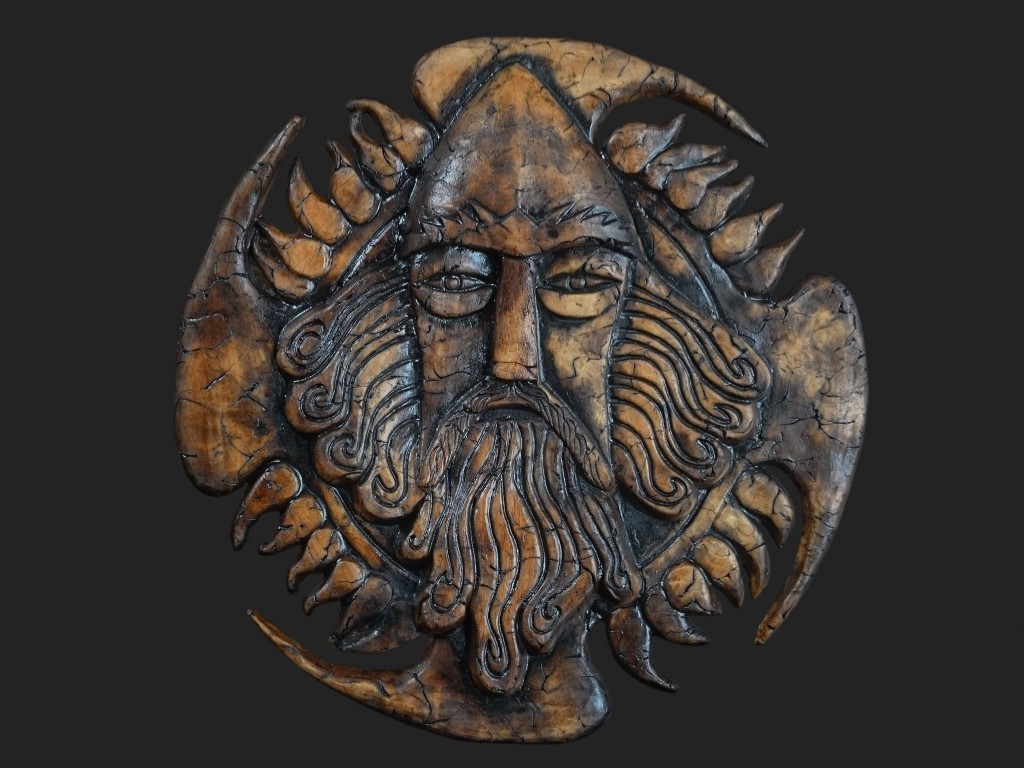
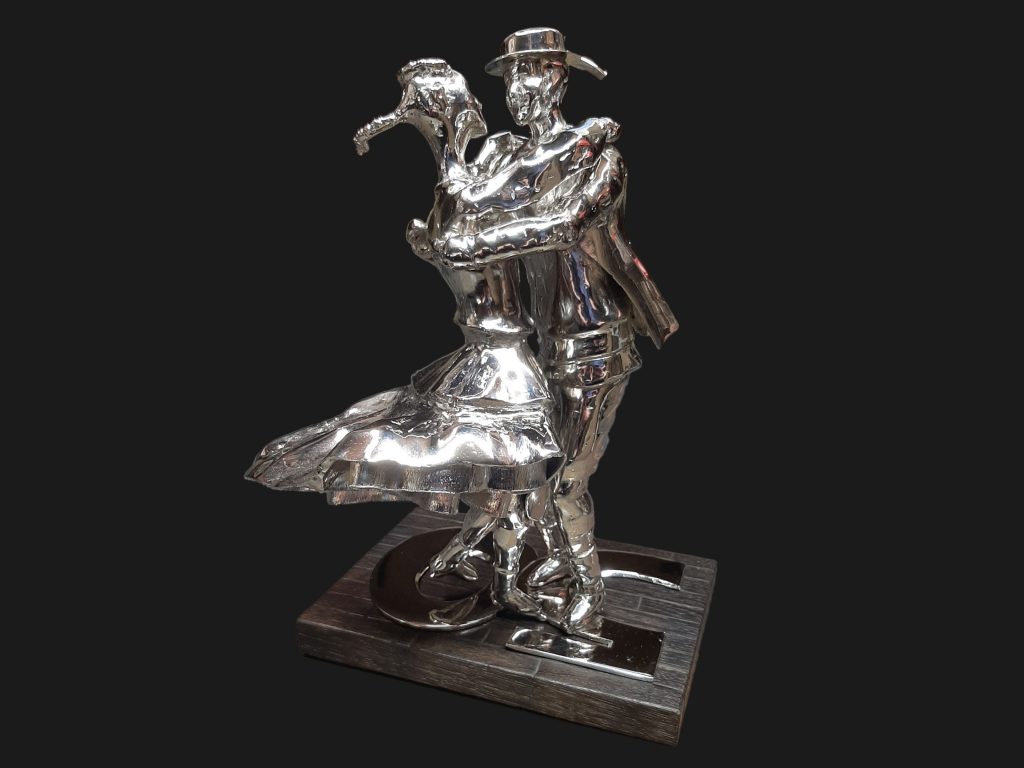
inspired by ethnic, ancient civilizations, European and non-European and Polish folklore. Deals with the art since I can remember. Initially, a primary school was painting and drawing, and welding of steel structures, but at the end of primary school within my interest was a cop and works inspired by antiquity.Later, I started as a tribal jewelry, which I created for myself and friends.
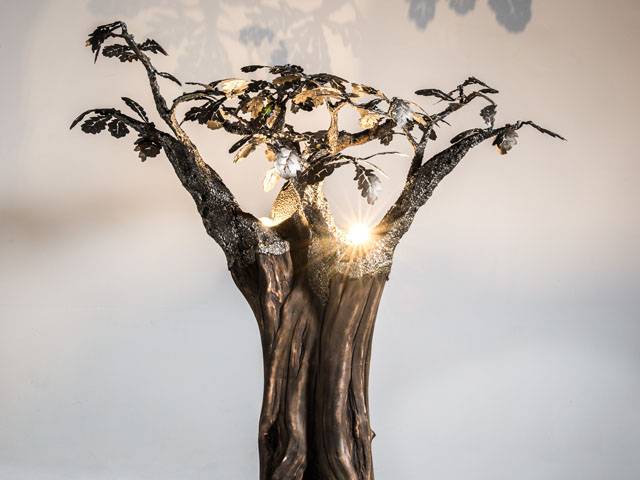
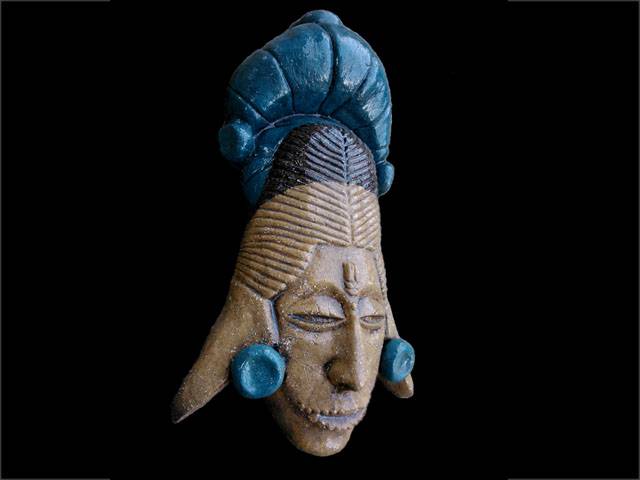
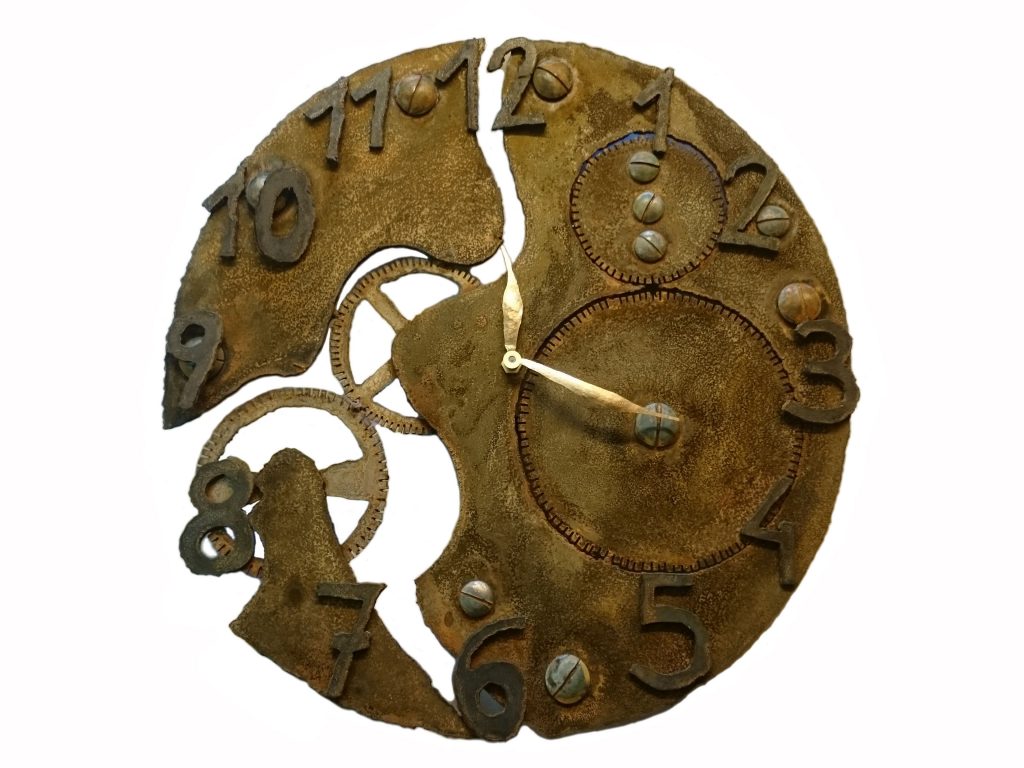
In the course of ethnological studies, the next stage of my work has become a rite of cyno-and all manner of ornaments and statues, masks, bowls, candlesticks, etc. They were formed as a result of fascination and going into the period studied in the study of culture, as reflected any of my project. Since 2008, we also develop the technique of woodcarving.Much of my work is a combination of metal, ceramics and woodwork. I decided to present his work, why was this gallery, which will appear regularly new projects, inspirations and new categories. Both single copies, as well as those painstakingly reproduced. My business is a single with a focus on superior quality and uniqueness.There is also a form of mass, so not everything is available in stock ... However, if no, you can always order the desired article.
I am describing ethnologist culture through their art ...
Darius von Fluder
great-grandfather John Surówka with Kozy village John Surówka (1886-1950) was a stucco in the interwar period. Created stucco, reliefs and statues that adorned Bialskie and Warsaw houses. The best known are the statues of frogs adorning one of the houses from the 1909 Bialskie. The second are figures of half-naked women decorate the façade of the current Library of Education in the White Street Komorowickiej. also restored the monuments of the Wawel Castle and Wilanów, before World War II.
więcej...
 .jpg)
* John Surówka (1886-1950) * house "under the frogs' in 1909, the Market Street 2 in Bielsko-Biala
|
|